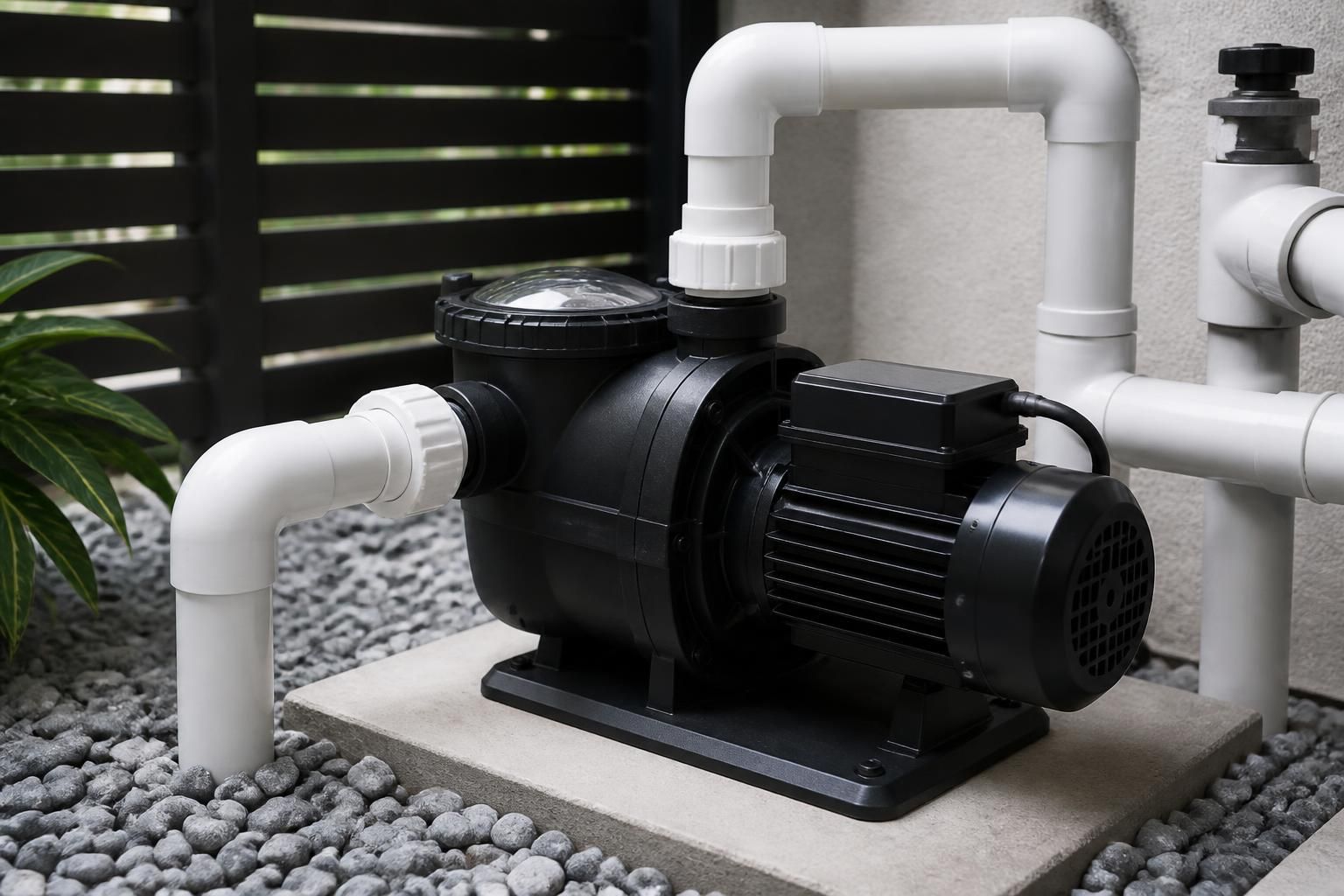
If your pool pump is making a new grinding noise, losing prime, or pushing water more weakly than usual, the problem usually shows up fast. Cloudy water, poor circulation, and equipment that runs hotter than it should are signs it is time to have the pump looked at before a small fault turns into a bigger repair.
Supreme Pool Services helps Palm Beach County homeowners figure out what is going on, whether that means a repair, a replacement part, or a full new installation. We inspect the pump, check the surrounding equipment, and give you a clear path forward so you are not guessing about the next step.
Pool pumps often give warning signs before they quit altogether. Catching those signs early can save time, reduce strain on the rest of the system, and help you avoid water quality problems that come with poor circulation.
Supreme Pool Services starts with the symptom you are seeing, then works backward to identify the cause. That approach matters because a pump can look like the problem when the real issue is a basket obstruction, a damaged seal, or a filter restriction.
A good pump repair starts with a careful inspection of the full circulation setup. We do not treat every complaint the same, because a pump that will not prime is handled differently than one with a noisy motor or low output.
We look for signs of overheating, wear, or electrical failure that may be affecting startup and runtime.
Cracks, seal problems, and debris at the basket can interrupt prime and reduce flow.
Debris or wear inside the pump can restrict movement and create a noticeable drop in performance.
Air intrusion or partial blockages can make the pump struggle even when the motor itself is still running.
A dirty or restricted filter can make the pump work harder than it should and lower circulation across the pool.
After that inspection, we explain what can be repaired, what should be replaced, and whether a new installation would make more sense for the long run. That keeps the decision practical instead of rushed.
Not every pump problem means you need a full replacement. Many pool pumps can be brought back with targeted work, especially when the issue is caught before the motor is damaged beyond repair.
When a specific part is causing the trouble, we focus on that part rather than replacing more than necessary. Common repair work can include seals, lids, gaskets, impeller cleaning, and motor-related diagnosis.
Some pumps are still running but not moving enough water. In those cases, we look for restrictions, air leaks, or wear that is limiting circulation. The goal is to restore the pump’s output without unnecessary changes elsewhere.
If the pump has reached the point where repair is no longer the smart move, we explain why and help you choose a replacement that matches the pool’s needs. That can spare you repeat service calls for the same failing unit.
When it is time for a new pump, installation matters just as much as the product itself. A pump that is not matched to the pool or fitted correctly can create noise, inefficiency, and extra wear on the equipment around it.
We handle pool pump installation for homeowners who need a clean replacement or a new setup for an updated system. The job includes removing the old unit when needed, setting the new pump, connecting it to the existing equipment, and checking operation before we leave.
A new installation is often the practical choice when the pump has major internal damage, the motor has failed, or repeated repairs are no longer worth the downtime. It can also be the right move when you are upgrading an older pump that no longer fits the pool’s demands.
We look at the pool setup, the existing plumbing layout, and the rest of the equipment so the new pump is sized and installed with the system as a whole in mind. That helps the pump work with the filter, heater, and any automation controls already on site.
We service and install pumps that work with many major pool equipment setups, including Pentair, Hayward, and Jandy systems. If your equipment uses a different brand, we can still evaluate it and tell you what fits the installation or repair path.
Homeowners often call us after noticing that a pump was changed once before without solving the root problem. That is why we pay attention to the whole circulation loop, not only the visible housing or motor shell. A clean install means checking how the pump interacts with filtration, suction, and return flow, not just bolting a new unit into place.
When you reach out about pump repair or installation, we start with a conversation about what you are seeing and hearing. A loud startup, a burned smell, or a pump that keeps stopping gives us useful clues before we even arrive.
Tell us what the pump is doing, when it started, and whether the pool has also had circulation or clarity problems.
We examine the pump, the surrounding fittings, and the related equipment to identify the source of the issue.
We explain whether repair, part replacement, or installation is the better fit for your situation.
Once approved, we complete the service and check the system so you know how it is operating before we finish.
Supreme Pool Services keeps the process straightforward. We are there to solve the pump issue, not bury you in technical language or leave you unsure about what was done.
Palm Beach County homeowners rely on pump service to keep the rest of the pool equipment doing its job. Since the pump drives circulation, a minor issue can quickly show up as poor skimming, uneven chemical movement, or a pool that needs more attention than usual.
We serve most towns throughout central Palm Beach County, which means we understand the kind of service homeowners want: consistent scheduling, direct answers, and work that treats the pool as a real investment. If your pump has been making the same complaint for weeks, this is a good time to have it assessed before the strain spreads to other parts of the system.
A loud pump can point to worn bearings, debris inside the housing, air getting into the system, or a part that is starting to fail. The sound helps narrow down where the problem may be.
Yes. A pump can still power on while losing performance, making noise, or struggling to hold prime. Those are all reasons to inspect it before it gets worse.
If the pump hums but does not start, trips repeatedly, or shows signs of overheating, the motor or its electrical components may be involved. A full inspection is the safest way to tell.
Repeated loss of prime usually means air is entering the suction side, the lid seal is compromised, or there is a restriction affecting water movement. It should be checked before the pump is damaged by dry running.
Yes. We can replace an old pump with a new one and connect it to the current equipment, provided the rest of the system is suitable for the new unit.
Yes. We inspect how the pump interacts with the surrounding equipment, including heaters and automation controls, so the new or repaired pump fits the overall setup.
If your pool pump is noisy, weak, or failing to start, Supreme Pool Services can assess the problem and recommend the right fix for your pool. Call (561) 312-0970 or email supremepoolsandspa@gmail.com to request a free, no-obligation estimate and get the pump checked before the problem spreads to the rest of your system.

Get Started
Tell us about your pool, equipment, or water concerns and we will help you choose the right service plan, repair, or cleanup option for your property.